
Madagascar Vanilla Market in H2 2026: Quality Standards, Traceability and Sourcing Priorities for Food Manufacturers
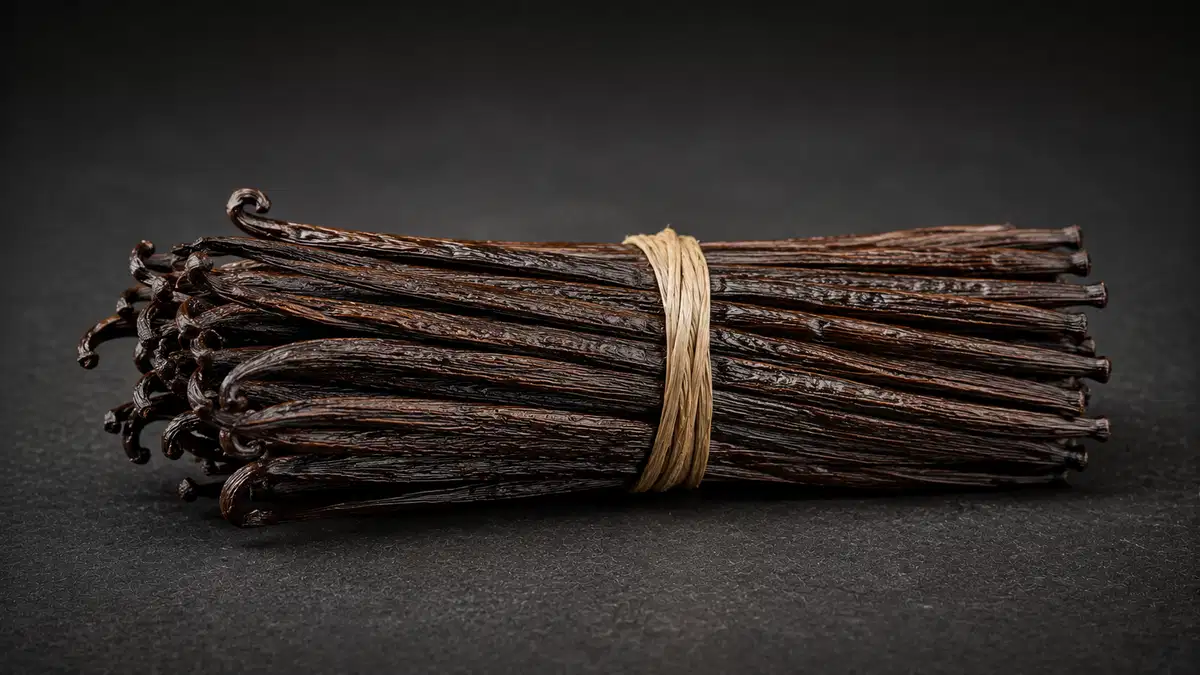
Madagascar vanilla continues to hold an important position in the international food ingredients market. Its distinctive aroma, complex flavor characteristics and established reputation make it a preferred raw material for manufacturers producing premium food and beverage products.
As food companies prepare their procurement strategies for the second half of 2026, purchasing decisions are increasingly influenced by more than the availability of vanilla beans. Product consistency, processing methods, origin verification and supplier transparency are becoming essential considerations.
For manufacturers, securing suitable vanilla ingredients requires a closer understanding of the entire supply chain, from agricultural production and post-harvest handling to export preparation and industrial processing.
Understanding the Importance of Vanilla Bean Quality
Vanilla quality directly influences the performance of finished food products. Differences in bean maturity, moisture content, curing practices and storage conditions can affect aroma development and extraction efficiency.
Manufacturers purchasing vanilla for industrial applications should evaluate several quality characteristics:
Aroma intensity: A developed and balanced aroma is important for producing consistent vanilla extracts and flavor formulations.
Moisture content: Appropriate moisture levels help maintain product condition during storage and transportation.
Bean appearance: Physical characteristics, including flexibility, surface condition and visible defects, help suppliers and buyers assess commercial quality.
Vanillin concentration: Vanillin is an important flavor compound, although overall vanilla quality depends on a wider range of aromatic compounds.
Foreign matter: Cleanliness and the absence of unwanted materials are important for food manufacturing requirements.
A standardized quality assessment helps buyers compare different suppliers and establish specifications before confirming bulk orders.
Why Traceability Is Becoming Important in Vanilla Procurement
Ingredient traceability is increasingly relevant to food manufacturers that need greater visibility into raw material origins.
Vanilla passes through several stages before reaching international buyers. These may include farming communities, collection centers, curing facilities, processors, exporters and ingredient distributors.
Without proper documentation, manufacturers may find it difficult to establish where their raw materials originated and how they were handled.
A reliable traceability system should provide information such as:
Country and region of origin.
Supplier and producer identification.
Harvest and processing records, where available.
Batch identification and shipment documentation.
Quality inspection and testing records.
Relevant food safety and compliance documentation.
For companies supplying premium retail brands, these records can support internal quality assurance, customer audits and responsible sourcing commitments.
The Role of Curing and Processing in Vanilla Value
Harvesting is only one part of vanilla production. Post-harvest processing plays a major role in developing the ingredient's characteristic aroma and commercial value.
Vanilla beans undergo several processing stages, including killing, sweating, drying and conditioning. These operations encourage the development of the compounds responsible for vanilla's recognizable flavor profile.
Processing consistency is particularly important for industrial buyers.
Poorly managed drying or storage conditions can affect bean quality, while inadequate conditioning may result in inconsistent aromatic characteristics.
Manufacturers purchasing vanilla should therefore assess the processing capabilities of their suppliers rather than relying exclusively on country of origin or quoted prices.
For extract manufacturers, the condition of incoming beans can also influence extraction performance, production efficiency and finished-product consistency.
Vanilla Extract Manufacturers and Their Purchasing Requirements
Industrial vanilla buyers have different requirements depending on their production processes and final applications.
Vanilla extract manufacturers generally prioritize raw materials that deliver suitable aroma characteristics, consistent processing performance and reliable batch quality.
Their purchasing specifications may include:
Vanilla variety and origin.
Bean grade and physical condition.
Moisture specifications.
Aroma and sensory evaluation.
Microbiological and chemical testing requirements.
Packaging and storage conditions.
Batch traceability and certificates of analysis.
These requirements help manufacturers reduce quality variations between production batches.
A supplier capable of providing consistent documentation and technical support can offer considerable value beyond the initial purchase price.
Packaging and Storage Considerations for Bulk Vanilla Buyers
Vanilla beans require suitable packaging and storage arrangements to preserve their commercial quality during transportation and warehousing.
Exposure to excessive moisture, unsuitable temperatures and poor handling conditions may affect product integrity.
Bulk purchasers should confirm that packaging materials are appropriate for food ingredients and that shipments are protected against contamination and physical damage.
Storage arrangements should also account for:
Temperature and humidity conditions.
Protection from direct sunlight.
Appropriate warehouse cleanliness.
Batch separation and inventory identification.
Regular inspection of stored materials.
Clear storage instructions and appropriate inventory management practices can help reduce avoidable losses after delivery.
What Food Manufacturers Should Evaluate When Selecting Vanilla Suppliers
Supplier selection is an important part of long-term ingredient procurement. Manufacturers should consider technical capabilities, documentation quality and delivery performance before entering into commercial agreements.
A practical supplier evaluation process should cover the following areas:
1. Product consistency
Review previous batch specifications, samples and quality inspection records to determine whether the supplier can meet established requirements.
2. Origin documentation
Request supporting documents that identify the source of the vanilla and provide relevant supply-chain information.
3. Processing capabilities
Evaluate the supplier's curing, sorting, storage and handling procedures.
4. Food safety compliance
Check relevant certifications, testing procedures and documentation according to the requirements of the destination market.
5. Export and logistics experience
Assess packaging arrangements, shipment coordination, lead times and the supplier's ability to manage international orders.
6. Commercial reliability
Compare quotations, minimum order quantities, payment terms and contractual commitments.
Evaluating these factors together provides a stronger basis for purchasing decisions than selecting suppliers solely on the basis of price.
Applications Driving Demand for Madagascar Vanilla
Madagascar vanilla serves a wide range of food manufacturing applications because of its characteristic aroma and compatibility with different formulations.
Important application segments include:
Dairy products: Ice cream, flavored milk, yogurt and dairy desserts use vanilla to develop familiar flavor profiles.
Bakery and confectionery: Cakes, biscuits, chocolates, fillings and sweet bakery products incorporate vanilla for aroma and flavor enhancement.
Beverages: Coffee drinks, flavored milk beverages, syrups and specialty drinks use vanilla in different formulation systems.
Desserts and sauces: Custards, puddings, creams and dessert toppings are important application areas.
Specialty food products: Premium confectionery and artisanal formulations may prioritize identifiable vanilla origin and ingredient quality.
Demand requirements differ between these segments. For example, a premium ice cream producer may prioritize flavor complexity, while a large-scale bakery manufacturer may focus on batch consistency and production economics.
Understanding the intended application helps buyers select the appropriate vanilla format and quality specification.
Procurement Priorities for the Second Half of 2026
Food manufacturers planning H2 2026 purchases should establish clear procurement requirements before finalizing supplier agreements.
Rather than relying on a single purchasing indicator, companies can improve sourcing decisions by reviewing product specifications, supplier performance and inventory requirements together.
Several practical priorities deserve attention:
Establish written quality specifications before requesting quotations.
Request representative samples for technical and sensory evaluation.
Verify origin and batch documentation.
Compare suppliers based on total delivered cost rather than the quoted ingredient price alone.
Review packaging, shipment and storage requirements.
Maintain alternative qualified suppliers for business continuity.
Monitor inventory turnover and expected manufacturing consumption.
These measures can help purchasing teams improve supply-chain visibility while maintaining the ingredient quality required for finished products.
The Growing Importance of Responsible Vanilla Sourcing
Responsible sourcing is becoming a relevant consideration across agricultural ingredient supply chains. Food manufacturers are increasingly interested in understanding how raw materials are produced and how purchasing practices affect the communities involved.
For vanilla, this can include greater attention to producer relationships, transparent commercial practices, agricultural working conditions and environmental management.
Companies can strengthen their sourcing programs by requesting credible supporting information from suppliers instead of relying on general sustainability statements.
Long-term supplier relationships may also provide opportunities for better production planning, improved communication and greater consistency in raw material procurement.
Building a More Reliable Vanilla Sourcing Strategy
Madagascar vanilla remains an important ingredient for manufacturers seeking distinctive flavor characteristics in premium and mainstream food applications. However, successful procurement requires attention to several interconnected factors.
Product quality, post-harvest processing, traceability, food safety documentation and supplier performance all contribute to the suitability of vanilla for industrial use.
For H2 2026, manufacturers can strengthen their purchasing strategies by defining technical specifications, evaluating suppliers carefully and establishing transparent documentation requirements before placing bulk orders.
A quality-focused sourcing approach allows food businesses to make more informed procurement decisions while supporting consistent production standards and long-term supply-chain reliability.
Regional Supply Signals Buyers Should Watch
The July crop reports provide more than a snapshot of field conditions. They also influence expectations throughout the vanilla supply chain, from local cooperatives to international exporters.
Procurement teams should pay close attention to several market signals as the reports become available.
Reports of healthy bean development across the Sava region could improve confidence among exporters and encourage more stable contract pricing.
Lower-than-expected harvest projections may reduce the availability of premium-grade beans first, even before total production declines become apparent.
Exporters with diversified sourcing networks may offer greater flexibility than suppliers that depend heavily on a single production area.
Cooperative associations may adjust their selling strategies if they anticipate stronger buyer demand later in the season, affecting short-term market liquidity.
These indicators often shape purchasing decisions weeks before official export volumes become available.
Market Scenarios for Natural Vanilla Prices
Every procurement strategy begins with an understanding of possible market outcomes. The July assessments effectively create two distinct scenarios for the remainder of 2026.
Scenario One, Crop Conditions Improve
If field inspections show that the early June weather concerns had only a limited impact, buyers could see a more balanced market during H2.
Under this scenario:
Natural vanilla supplies would likely remain sufficient for planned export programs.
Price volatility could ease as confidence returns to the market.
Premium brands may continue purchasing natural vanilla without facing major budget revisions.
The pricing gap between natural vanilla and bio-based vanillin could become more manageable.
Although prices may remain above historical averages, improved crop confidence would reduce the urgency that often drives rapid purchasing activity.
Scenario Two, Crop Stress Continues
If July reports confirm weaker crop conditions, procurement teams should prepare for a different market environment.
Possible developments include:
Higher prices for premium-quality natural vanilla.
Increased competition among international buyers for limited export volumes.
Longer lead times for specialty extracts and customized vanilla products.
Greater commercial interest in bio-based vanillin as companies seek cost stability.
Under tighter supply conditions, buyers that delayed contracting could face both higher prices and reduced product availability.
Bio-Based Vanillin Gains Strategic Attention
Bio-based vanillin has evolved from an alternative ingredient into an important procurement option for many manufacturers.
Advances in biotechnology have enabled suppliers to produce vanillin through renewable biological processes while delivering reliable quality and predictable production schedules.
For procurement professionals, bio-based vanillin offers several practical advantages.
Production depends less on seasonal agriculture, reducing exposure to weather-related supply disruptions.
Manufacturers can often secure longer-term supply agreements with greater pricing stability.
Companies pursuing sustainability objectives may view bio-based ingredients as part of broader environmental initiatives.
Supply planning becomes more predictable because production volumes can be scaled more consistently than agricultural harvests.
Despite these strengths, bio-based vanillin does not fully replace natural vanilla in applications where brands emphasize authentic origin, premium flavor complexity and clean-label differentiation.
For many companies, the decision is no longer about choosing one ingredient exclusively. Instead, it involves selecting the most suitable option for each product category while balancing quality, cost and supply security.
Procurement Strategies for H2 2026
The release of Madagascar's July crop reports gives procurement teams a narrow window to refine sourcing strategies before H2 contracts are finalized. Companies that respond quickly often gain greater negotiating flexibility than those waiting for the market to settle.
Rather than focusing solely on current prices, experienced buyers evaluate the broader supply picture. They consider inventory levels, supplier reliability, production schedules and the likelihood of additional market changes during the remainder of the harvest season.
Several procurement practices can help reduce sourcing risk:
Diversify supplier relationships instead of relying on a single exporter. Multiple sourcing channels improve resilience if one region experiences production challenges.
Review inventory requirements based on realistic production forecasts rather than historical purchasing patterns. Market conditions this year may differ significantly from previous seasons.
Monitor contract terms carefully, particularly delivery schedules, quality specifications and price adjustment mechanisms.
Align procurement decisions with product positioning. Premium brands that rely on authentic natural vanilla may prioritize supply security over achieving the lowest possible purchase price.
These measures help procurement teams remain flexible regardless of how the July assessments influence the market.
Looking Beyond Price in Clean-Label Sourcing
The clean-label movement continues to reshape ingredient purchasing across the food industry. Consumers increasingly pay attention to ingredient lists and expect recognizable, naturally derived components in premium products.
As a result, procurement teams must evaluate vanilla from both a commercial and branding perspective.
Natural vanilla offers several competitive advantages:
Rich and complex flavor profiles that are difficult to replicate with alternatives.
Strong alignment with premium food, bakery, dairy and beverage products.
Greater appeal for brands emphasizing authenticity and ingredient transparency.
Support for marketing strategies centered on natural sourcing.
At the same time, cost management remains essential. Manufacturers producing high-volume products may decide that bio-based vanillin delivers the best balance between consumer expectations and operational efficiency.
The optimal sourcing strategy often varies by product line rather than across an entire business. Many manufacturers now maintain a mixed procurement portfolio that combines natural vanilla with alternative vanillin sources depending on the application.
The Bottom Line for Procurement Teams
Madagascar's July 2026 crop reports represent more than another agricultural update. They serve as the final market signal before many food manufacturers commit to flavor ingredient contracts for the second half of the year.
If the reports indicate healthier crop conditions, buyers may benefit from a more stable pricing environment and improved availability of natural vanilla. If crop stress persists, procurement teams should expect stronger competition for premium supplies and renewed interest in bio-based alternatives.
Successful sourcing in this market depends on balancing supply security, cost control and long-term brand objectives. Organizations that monitor production updates closely and maintain flexible procurement strategies will be better positioned to respond as market conditions evolve.
Ready to source vanilla from verified global suppliers? Explore competitive offers on our platform today.
Vanillin CAS: 121-33-5