Vanillin Market: Synthetic vs Natural Price Gap Widens as Ferulic Acid Route Gains Traction
Introduction
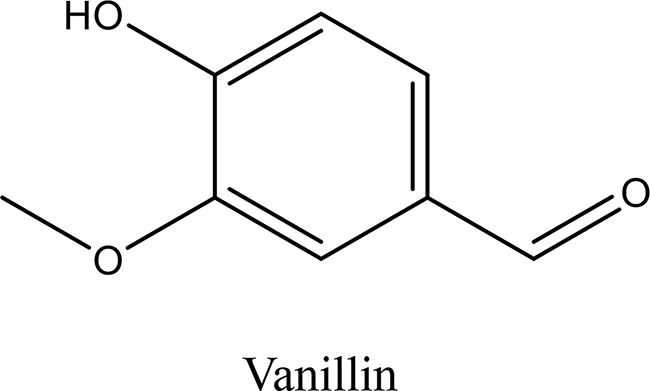
Vanillin is one of the most important flavor compounds in the global food, beverage, fragrance, and pharmaceutical industries. It is responsible for the characteristic “vanilla” aroma used in everything from ice cream and chocolate to baked goods, perfumes, and oral care products.
In 2026, the vanillin market is undergoing a structural transformation. While synthetic vanillin derived from guaiacol remains the dominant global supply source, demand is increasingly influenced by clean-label requirements, sustainability positioning, and regulatory pressure in Europe and North America. At the same time, biotechnology-based vanillin production—particularly via ferulic acid routes—is beginning to scale, gradually narrowing the long-standing price gap between synthetic and natural vanillin.
Three Main Types of Vanillin
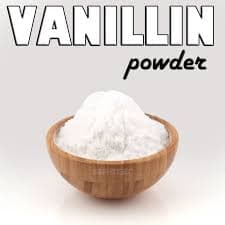
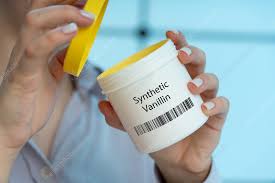
1. Synthetic Vanillin (Guaiacol Route)
This remains the backbone of global vanillin supply.
Production pathway:
Derived from guaiacol (petroleum-based feedstock)
Chemical synthesis into vanillin molecule
Key characteristics:
Lowest cost production
High purity and consistency
Widely available in bulk volumes
Dominates global supply (>80% market share in many estimates)
Limitations:
Petroleum-derived perception challenges
Increasing scrutiny in clean-label markets
Regulatory pressure in some regions
2. Natural Vanillin (Vanilla Bean Extraction)
True natural vanillin is extracted directly from vanilla beans.
Key features:
Extremely limited global supply
Labor-intensive agricultural production
Highly sensitive to climate and crop yield
Market reality:
Represents a very small fraction of global vanillin volume
Commands a significant premium—often up to 200× the price of synthetic vanillin
This extreme price gap makes it economically viable only for premium fragrance and high-end food applications.
3. Bio-Vanillin (Ferulic Acid Route)
The fastest-growing segment in 2026 is bio-based vanillin produced via fermentation or biotransformation processes using ferulic acid.
Feedstock sources:
Rice bran
Agricultural byproducts
Lignin derivatives (in some emerging processes)
Production method:
Microbial or enzymatic conversion of ferulic acid into vanillin
Why Ferulic Acid Route Is Gaining Traction
Key drivers:
Clean-label demand from food manufacturers
Sustainability requirements in Europe and North America
Reduced dependency on petroleum-derived guaiacol
Advancements in fermentation technology
Improved cost efficiency at scale
Market impact:
Bio-vanillin is gradually reducing the extreme price gap between:
Synthetic vanillin (low cost)
Natural vanillin (very high cost)
This is creating a mid-premium category that is becoming increasingly important for brand positioning.
Clean-Label and Sustainability Pressure
Food and beverage manufacturers are under increasing pressure to:
Reduce petroleum-based ingredient usage
Improve natural or bio-based claims
Strengthen sustainability narratives
Align with retailer clean-label requirements
Impact on vanillin demand:
Shift from synthetic vanillin toward bio-vanillin in premium segments
Reformulation of “natural flavor” claims
Increased scrutiny of guaiacol-derived ingredients in Europe under regulatory updates
Valine CAS: 72-18-4
Regulatory Pressure in Europe (REACH Context)
In 2026, ongoing revisions to European chemical regulations are increasing scrutiny of certain synthetic flavoring routes.
Key implications:
Greater documentation requirements for synthetic vanillin
Increased compliance burden for guaiacol-based supply chains
Stronger preference for bio-based alternatives in branded food products
While synthetic vanillin remains fully legal and widely used, regulatory and branding pressures are influencing procurement decisions.
China’s Role in Global Supply
China remains the dominant global producer of synthetic vanillin.
Strengths:
Integrated guaiacol production
Large-scale chemical manufacturing base
Cost-efficient production infrastructure
Strong export networks
Market challenge:
Chinese producers face increasing pressure from:
Clean-label reformulation trends
Bio-based competition
Regulatory scrutiny in export markets
Despite this, synthetic vanillin remains the most cost-effective global option.
Europe’s Position in Bio-Vanillin Development
Europe is becoming a key innovation hub for bio-based vanillin technologies.
Focus areas:
Fermentation-based production
Ferulic acid extraction from agricultural residues
High-value “natural flavor” positioning
European companies are particularly focused on:
Premium food applications
Fragrance industry demand
Sustainability-driven product portfolios
Market Price Structure in 2026
Approximate pricing hierarchy:
Natural vanillin (vanilla bean)
→ Highest cost (up to 200× synthetic)Bio-vanillin (ferulic acid / fermentation route)
→ Mid-premium segment, rapidly scalingSynthetic vanillin (guaiacol route)
→ Lowest cost, bulk industrial supply
This structure is gradually becoming more dynamic as bio-vanillin scales.
Application Breakdown
Food & Beverage
Chocolate and confectionery
Ice cream and dairy desserts
Bakery products
Flavored beverages
Fragrance Industry
Perfumes
Personal care products
Soaps and cosmetics
Pharmaceuticals
Flavor masking in syrups
Oral care products
Food remains the dominant consumption sector globally.
Procurement Implications for Buyers
Procurement strategies are increasingly segmented based on end-use positioning:
Commodity buyers:
Continue sourcing synthetic vanillin for cost efficiency
Premium brands:
Shift toward bio-vanillin for clean-label claims
Luxury / niche applications:
Use natural vanillin for branding and exclusivity
Key procurement considerations:
Regulatory compliance (EU/US labeling rules)
Brand sustainability commitments
Cost vs positioning trade-offs
Supply chain traceability
Market Outlook
The vanillin market in 2026 is transitioning from a purely cost-driven structure toward a tiered value system defined by sourcing origin, production method, and brand positioning requirements. Synthetic vanillin remains dominant in volume terms, but bio-vanillin is emerging as the fastest-growing segment due to clean-label and sustainability pressures.
China will continue to lead in synthetic supply, while Europe and select biotech players expand bio-based capacity. Over time, the price gap between synthetic and natural vanillin is expected to narrow modestly, primarily due to scaling fermentation technologies rather than changes in vanilla bean supply.
Key Takeaways
Synthetic vanillin (guaiacol-based) dominates global supply.
Natural vanillin is extremely expensive—up to 200× synthetic price.
Bio-vanillin from ferulic acid is the fastest-growing segment.
Clean-label and sustainability trends are driving demand shifts.
China leads synthetic vanillin production.
Europe is a key hub for bio-vanillin innovation.
Regulatory pressure (REACH) is increasing scrutiny of synthetic routes.
The market is shifting toward a multi-tier pricing and sourcing structure.