
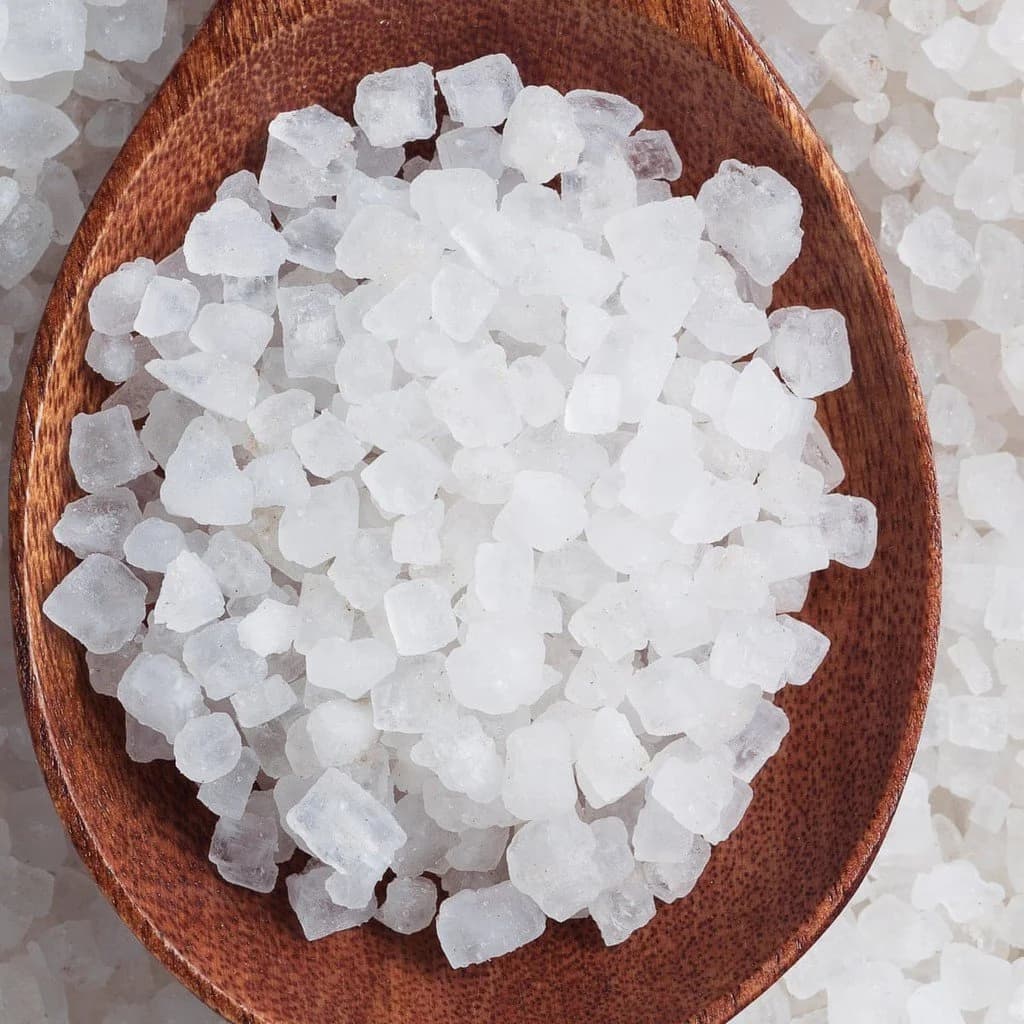
Share this product :
Camphor
- CAS Number
- : 76-22-2
- HS Code
- : 2914.22.00
Basic Info
- IUPAC Name
- : (1R,4R)-1,7,7-trimethylbicyclo[2.2.1]heptan-2-one
- Molecular Formula
- : C10H16O
- Molecular Weight (g/mol)
- : 152.2300
- Synonyms & Trade Names
- : Camphor; 2-Camphanone; 1,7,7-Trimethylbicyclo[2.2.1]heptan-2-one
- Purity / Assay (%)
- : 96% min
- Grade / Quality Level
- : Technical Grade
- Physical Form
- : Solid
- Concentration
- : Pure substance
- Appearance / Color
- : White to off-white solid
- Odor
- : Camphor
- Melting Point (°C)
- : 179.0000
- Boiling Point (°C)
- : 204
- Density (g/cm³)
- : 0.9900
- Solubility in Water
- : Slightly soluble
- Signal Word
- : Warning
- GHS Hazard Class
- : Flammable; Acute toxic; Skin irritant
- H-Statements
- : H228|H302|H312|H315|H332|H361
- P-Statements
- : P210|P260|P264|P270|P271|P280
- REACH Status
- : Registered
- Drug Precursor Status
- : Non-precursor
- Storage Class (GHS)
- : 3
- Storage Conditions
- : Cool, dry; away from ignition; sealed
Categories
Share this product :
Camphor can be obtained from camphor oil or synthesized from other starting materials. One common method for obtaining camphor is by the distillation of the wood of the camphor tree or by synthesis from turpentine oil, which is derived from pine trees.