









 English
 Français
 Indonesian
 Português
 简体字
简体字
 日本語
日本語
 العربية
 한국어
한국어
 Español
 Tiếng Việt
Terpinyl Acetate
Terpinyl Acetate
CAS Number
80-26-2
HS Number
-
Botanical Name
Elettaria cardamomum
Botanical Family
Varied Pinus
PRODUCT TYPE

Pine Derivatives
TECHNICAL APPLICATION
OLFACTIVES FAMILY
Wood Oil
FORMULA
IUPAC
C12H20O2
MANUFACTURE PROCESS
Brief Overview
Alpha-Terpinyl acetate is a natural product found in Xylopia sericea, Elettaria cardamomum, and other organisms with data available. LOTUS - the natural products occurrence database. Terpinyl acetate is a metabolite found in or produced by Saccharomyces cerevisiae.
Manufacturing Process
Natural sources:
Terpinyl acetate can be extracted from essential oils such as pine oil, cardamom oil and cajuput oil. The essential oils are recovered through the physical separation process of partial pressure steam distillation, where steam is passed through plant material to separate the essential oil. Further distillation of the essential oil extracts terpininyl acetate from other components in the oil.
Chemical Synthesis:
A more common manufacturing process for terpinyl acetate is synthesis from alpha-terpineol and acetate anhydride. Catalyst such as concentrated sulphuric acid can be used to drive the reaction. Biocatalysts such as lipases have also be used in place of acids to reduce waste water discharge and equipment corrosion.
APPLICATION
Fragrance Industry
The benefits of stable property and difficult to change color. Terpinyl Acetate is widely used as aromatic, the contents can be up to 30%. Ventos has specialized in the distribution of raw materials for the flavor and fragrance industry.
Toilet Soap Material
α-TA is a commercially important fragrance molecule with sweet, herbaceous floral and lavender odor. It is widely used as fragrance ingredient and odor agent in soaps, shampoo, antiperspirants and lotion manufacturing, in air fresh-eners, in cleaning and furnishing care products, in laundry and dishwashing products
Food Flavors
α-Terpinyl acetate, FG α-Terpinyl acetate is nice to use in citrus and fruit flavor applications. It can provide notes of green, terpy, citrus, woody, herbal, slight spiciness, oily, fruity apple and pear and oxidized lime in your flavor or fragrance formulation
PRODUCT SPECIFICATION
Learn more about our products
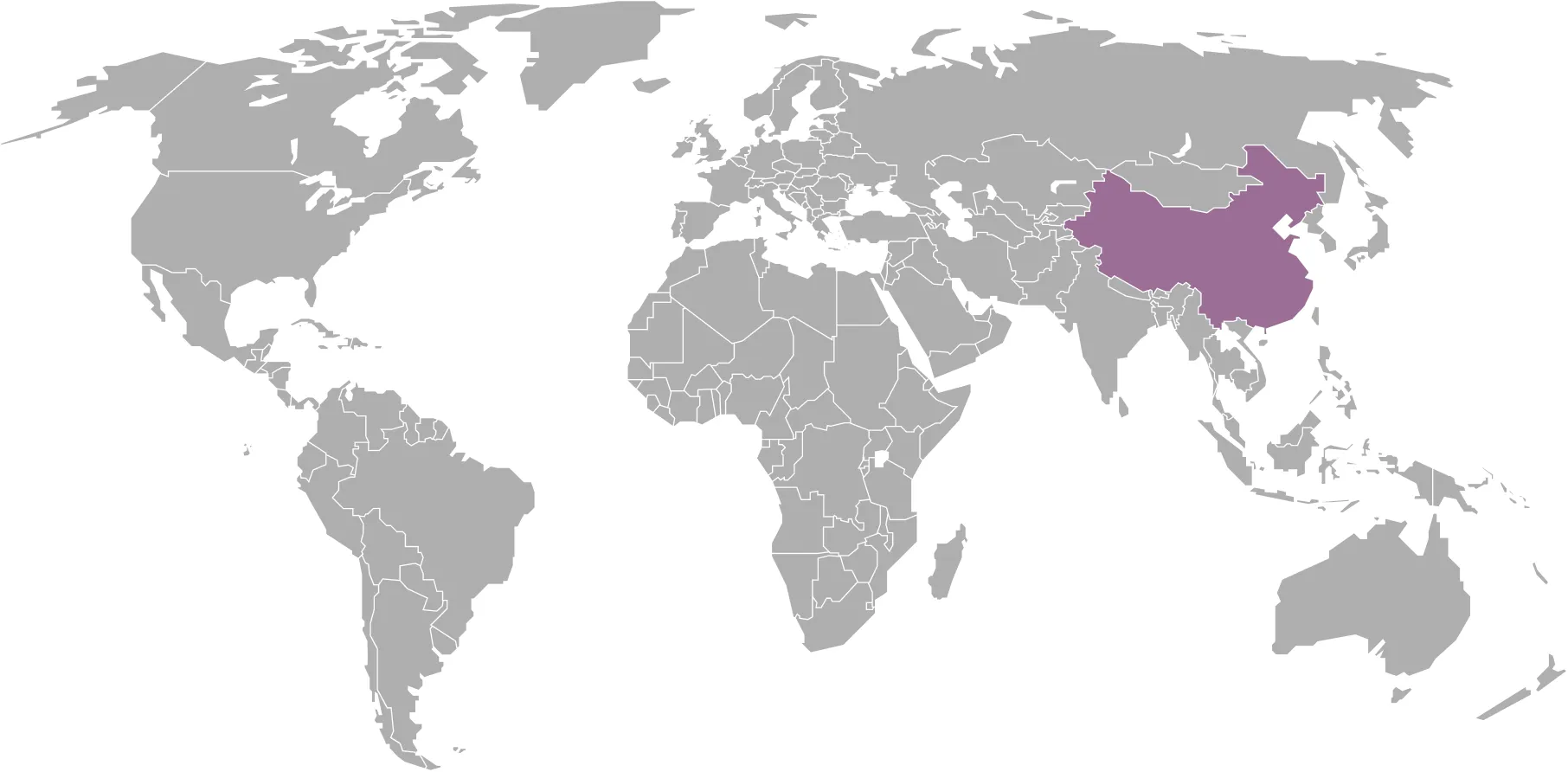
SOURCING COUNTRIES
China
TECHNICAL DATA
| Appearence | Clear Liquid |
| Odor | fruity, and somewhat floral odor |
| Packaging | 170-250 KG Net Galvanized Iron Drum |


 Feedback
 Chatbot